

Loyola Maryland outcomes rival the elites
By Karen Hott, May 2026
Fast facts for
Loyola University Maryland
Located in:
Baltimore, MD
Number of students:
3,900 undergraduate
Acceptance rate:
75% of applicants
Type:
Private, religious affiliation
Affiliation:
Catholic
Test Policy:
Test Optional
Test Policy Details:
for all majors, including nursing
This blog post is about a specific college or university, so we've included some key details right up top. These facts were last updated October 9, 2026.
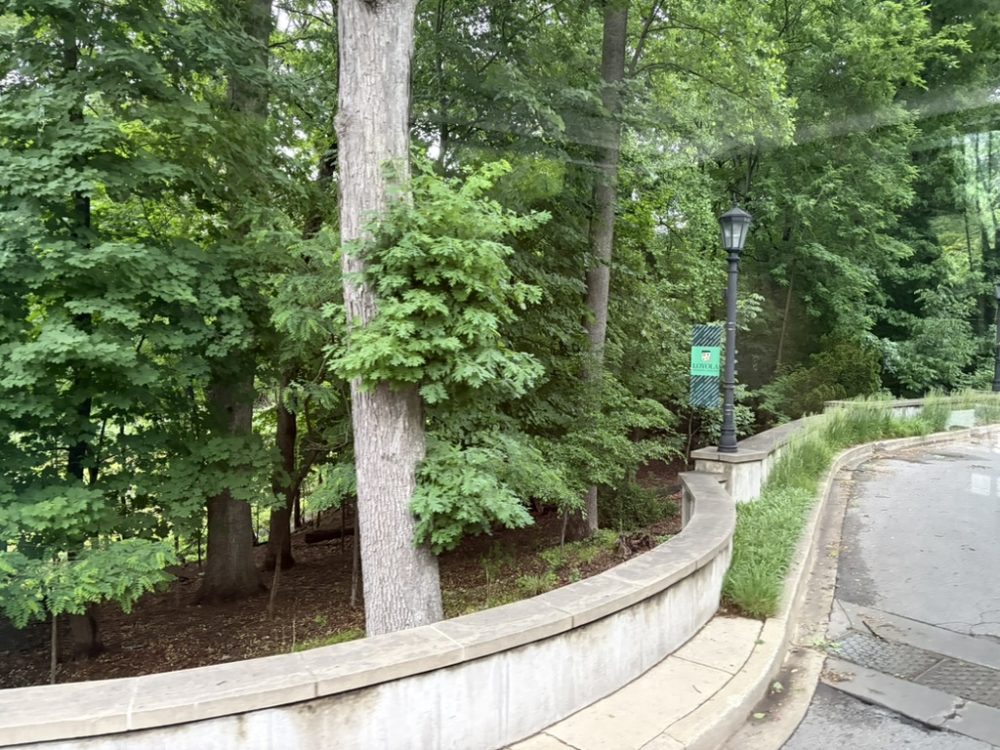
I spotted a deer in the woods as our bus of counselors drove onto the Loyola University Maryland campus. Loyola is located within Baltimore city, in the upscale Roland Park community. It’s green and secluded even though it’s classified as urban. You’re a 20-minute drive from Baltimore’s Inner Harbor and 45 minutes from DC by train.
Loyola serves just under 4,000 undergraduates with an average class size of 20 and a 12:1 student-to-faculty ratio. There’s ongoing construction adding to the four newer buildings already on campus. Loyola’s colors are evergreen and grey, and the teams are the Greyhounds. Loyola draws from the Northeast and Mid-Atlantic; one-third are Marylanders and 60 percent identify as Catholic.
Though it has a very accessible need-aware acceptance rate of 75 percent, it rivals some of its highly selective counterparts, with the Wall Street Journal ranking Loyola Maryland in the top 25 of 500 schools for post-graduation outcomes and #5 for career preparation.
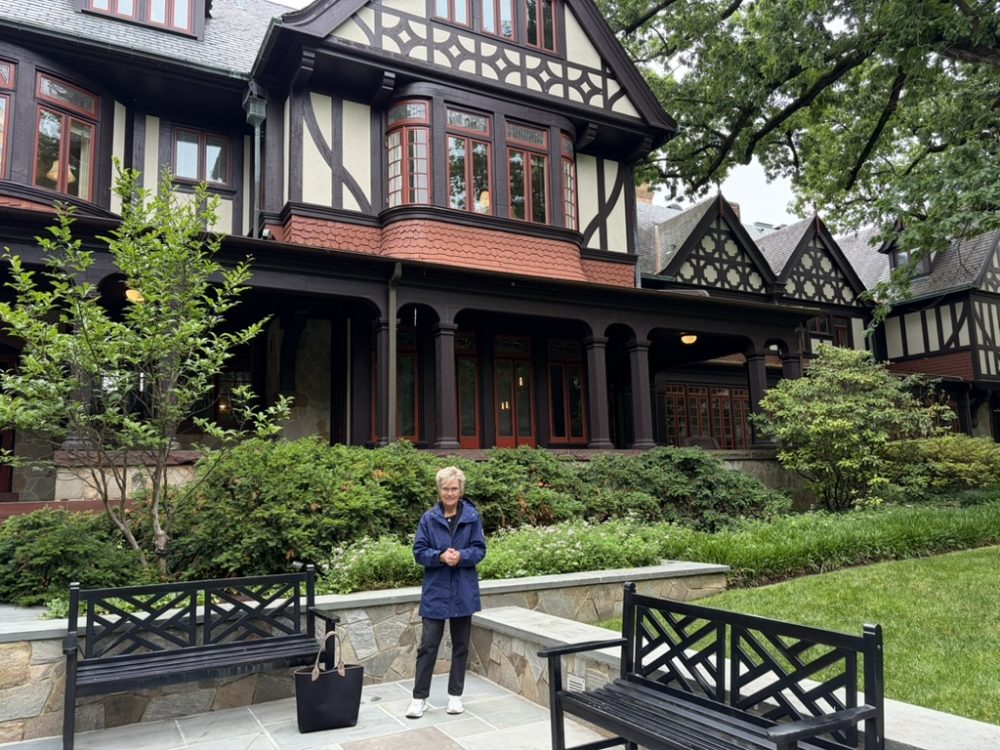
Jesuit identity
Loyola University Maryland is one of four Loyolas around the country, and all share the Jesuit philosophy. Andrew Cebasco, senior director for undergraduate admission, reminded us that the Jesuits are considered “the intellectuals, the travelers, the educators.” The Jesuit ethos emphasizes intellectual rigor, personal development, and social justice, citing cura personalis at its core, that is, the education of the whole person—mind, body, and spirit. Global education is part of that education, and 60 percent study abroad. (The average is 12 percent.)
Academics
Like most liberal arts colleges, Loyola is friendly to those who are in the process of deciding what their major should be. You’re admitted to the university as a whole, and you can explore the three colleges within the university.
The College of Arts & Sciences includes ABET-accredited engineering and pre-health, with nursing—a direct-entry program developed in partnership with Mercy Medical Center—entering its accreditation year. The AACSB-accredited Sellinger School of Business includes departments of Management and International Business as well as Finance, Accounting, and Economics and more. A 3+1 pathway allows students to complete a graduate accounting degree in one additional year, setting them on the path to CPA eligibility. The School of Education covers elementary education and special education.
Loyola has new and upcoming majors in Biohealth, direct-entry Nursing, Financial Risk Management and Insurance, Forensic Science, Forensic Accounting, Information Systems, and AI. Sellinger also now offers a Bachelor of Business Administration in Sustainability Management—the first program of its kind in Maryland, combining core business principles with interdisciplinary environmental and ethical leadership studies. Responding to regional need, Loyola offers a B.S. in Construction Management and Real Estate Development. Construction companies are recruiting on-site and offering jobs to graduates.
Campus life
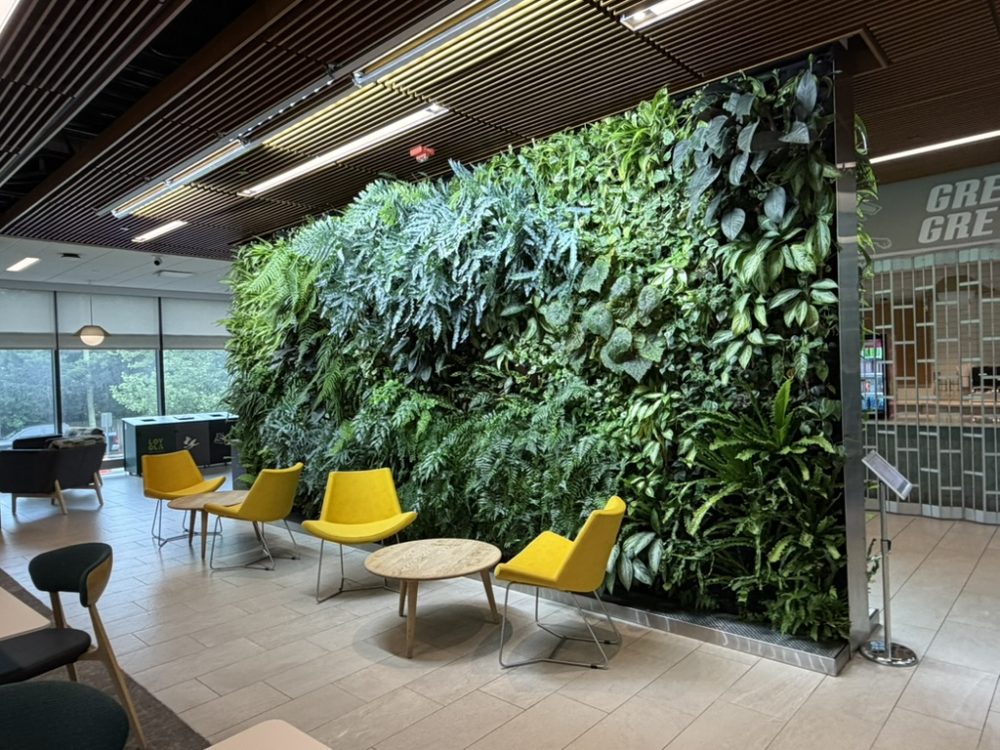
Campus life is lively, with the Student Government Association organizing 1,000 events a year and 77% living on campus. Eighteen Division I sports and 28 club sports involve about half the students, and the yearly Battle of Charles Street draws crowds to watch the Greyhounds battle Johns Hopkins in lacrosse. President Terrence Sawyer entertains students by playing in a faculty scrimmage at basketball half-times.
Despite the nationwide crackdown on diversity, equity, and inclusion (DEI), the Jesuits’ half-millennium commitment to those values protects Loyola from the political fallout. Campus ministry supports LGBTQ+, first-generation, neurodiverse, and underrepresented students.
Student support
All first-year students may participate in a Messina living-learning cohort of 15 to 16 students. Each cohort has a mentor from faculty, administration, and upperclassmen. Messina helps first-year students transition to college socially and academically.
The Thrive Center follows a proactive and reactive support model to monitor student well-being. Students choose their coach, organized by identity, such as queer, commuter, first-gen. Earning a C- or below twice in a course triggers an intervention.
Financial aid
With the cost of attendance at $80K, Loyola has taken action to reduce that sticker shock. It no longer requires the tedious and invasive CSS Profile for financial information, only the FAFSA. Merit scholarships of $33K to $41K a year are granted automatically. They eliminated minimum contributions, allow outside scholarships to stack on institutional aid, and have family grants for multiple siblings. First-gen students and on-campus visitors do not pay an application fee. And I applaud them for this: financial awards will be released within 24 hours of your decision.
In sum
Loyola Maryland pairs an urban address with a green campus, Jesuit values with programs addressing real-world problems, and an accessible admit rate with outcomes that rival the elite.