

Take time to de-stress after exams
By Karen Hott, May 2026

Congratulations! You made it through those exhausting AP exams. Now it’s time to take a break and reward yourself with some self-care.
Pat yourself on the back.
Acknowledge what an accomplishment this is. You took hard courses, stuck with it, and took the end-of-course assessment. Sounds like you’re ready for college.
Meditate to singing bowls.
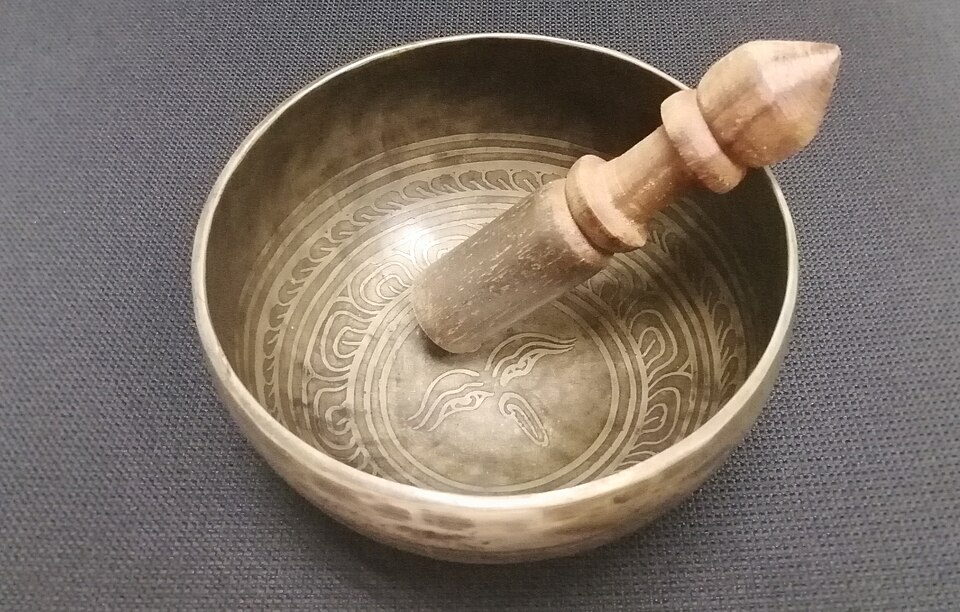
Tibetan singing bowls make a blissful sound that lets your brain unclench. These specific sound frequencies help transition your brain from high-alert beta waves to relaxing alpha waves.
Go for a walk outdoors.
Even better if you can walk with a dog! Just 20 minutes in nature reduces cortisol levels and improves mood through exposure to natural light and movement.

Talk to friends IRL.
Talking with friends who understand your experience creates perspective and releases oxytocin, counteracting stress.
Don’t just text. Actually talking in real time with friends, whether complaining or laughing, connects you to others.
Get some sleep.
During deep sleep, your brain processes what you’ve learned and clears toxins that build up during intensive thinking. Teens need eight to 10 hours of sleep.
The science of recovery
After intense academic challenges like AP exams, your brain and body need time to reset. Research shows that proper recovery improves long-term memory consolidation and reduces stress hormones. Give yourself permission to recharge before diving into college planning.
In addition to the physical recharging activities of walking and sleeping, add some power foods like protein-rich smoothies made with fruits, yogurt, protein powder, and leafy greens to restore neurotransmitters depleted during intense study. The mental recovery comes from social connection (talking with friends), meditation, and celebrating your effort (acknowledging your hard work builds resilience for future challenges).
Looking forward
Once you’ve taken time to recover, you’ll be ready to think about how your AP experiences connect to your future goals. Consider scheduling a consultation with a college adviser (a.k.a. independent educational consultant or IEC) to discuss how your interests can shape your college journey. Karen A. Hott founded Two Bridges College Consulting to make the transition from high school to college a little more sane.
What’s next after AP exams?
Make sure to end the year strong by studying for your final exams.
• For Juniors: Use summer purposefully, for college visits, deep-dive programs, application planning, and essay brainstorming.
• For Sophomores: Build on your academic foundation with strategic course selection, take a summer program or work a job, and keep a journal of your experiences and reactions.
• For Freshmen: Explore your varied interests, do some meaningful volunteer work, and create a plan to take challenging coursework over the three years ahead.
How personalized college counseling helps
• Finding colleges that match your needs and desires
• Navigating the complex admissions landscape with caring, expert guidance
• Developing application strategies that highlight your unique strengths, personality,
and contributions to your communities.
Ready to start on your journey to college?
Text Karen Hott at 410.353.5617, email khott@twobridgescc.com, or visit twobridgescollegeconsult.com.