
Whitman College worth the trip to Walla Walla
By Karen Hott, March 2026
Fast facts for
Whitman College
Located in:
Walla Walla, WA
Number of students:
1,600 undergraduate
Acceptance rate:
38% of applicants
Type:
Private, no religious affiliation
Test Policy:
Test Optional
This blog post is about a specific college or university, so we've included some key details right up top. These facts were last updated March 17, 2026.
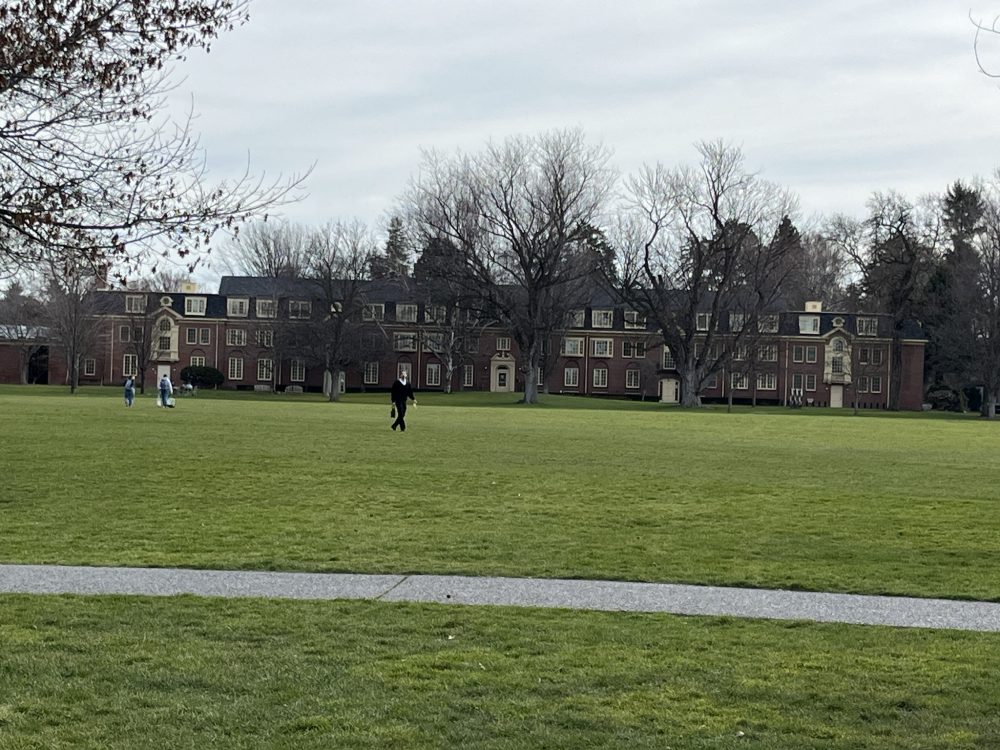
With 40 counselors on the Pacific Northwest 5 tour, I took a five-hour bus ride from Seattle to Walla Walla, Washington, this March to visit Whitman College. The liberal arts school of about 1,600 students in the Cascades Mountains enrolls undergraduates only, so all their resources funnel into undergraduate success.
Unlike Seattle, Walla Walla enjoys a high desert climate with plenty of sunshine. That contributes to its agricultural abundance. The area is known for their sweet onions and wine (separately, there’s no onion wine), and the town of about 33,000 boasts over 130 wine tasting bars, many on Main Street. I was surprised to find such a vibrant downtown in Eastern Washington. You can walk downtown from Whitman’s campus.
The campus is intentionally welcoming and diverse, drawing students from 45 states, 90 nations, and six tribal nations, with 90 percent coming from more than 200 miles away. Whitman celebrates geographic, ethnic, and socio-economic diversity and provides a safe space to be yourself.
Academics
President Sarah Bolton has led Whitman for four years. Before that, she was the president of Wooster in Ohio. Whitman shares with Wooster the tradition that many students do research and present a thesis or capstone senior year.
With a student-to-faculty ratio of 10:1, 67 percent of classes have less than 20 students. Distribution requirements span humanities, social sciences, natural sciences (often with labs), and quantitative analysis; writing proficiency must be demonstrated. All first-year students participate in a yearlong seminar sequence: Exploring Complex Questions (fall) and Making Powerful Arguments (spring). Undergraduate research is not required but is strongly encouraged and supported; students regularly partner with faculty on work that contributes to their field.
Emerging academic programs include human-centered design and a major in brain, behavior, and cognition, an exploration of neuroscience. Distinctive and noteworthy majors include:
- Biochemistry, Biophysics & Molecular Biology
- Environmental Humanities
- Environmental Studies
- Film & Media Studies
- Law, Culture & the Humanities
- Oceanography
- South Asian & Middle Eastern Studies
Immersive learning
Whitman is deeply committed to taking classroom experiences into the world. Field courses include a three-week land-water justice trip spanning three states. A five-day summer program partners students with Native American tribes for environmental sampling. Community-engaged learning initiatives give students a chance to pitch and lead original outreach programs. A Seattle summer internship program provides shared housing and connects students with alumni, making competitive urban internships accessible to students from Whitman. Additionally, Whitman students regularly present research at national and international conferences.
Campus life & community
Tuesdays are “femme and non-binary nights” at the indoor rock-climbing center. About 50 percent of students identify as LGBTQIA+. Campus resources include a Queer Center, a Third Space Center for students of color, and interfaith programming. Whitman College’s mission “is to provide a rigorous liberal arts education, fostering intellectual capacity, ethical living, and a supportive community for diverse students.”
The college has strong support for first-generation working-class students, starting with an expense-paid fly-in in the summer. Whitman believes that community-building helps with success, so the fly-in helps FGWC students establish community early. Fourteen living-learning and interest houses provide another point of connection. Greek life accounts for about 15 percent of students. The new junior-senior housing village enables Whitman to guarantee housing for all four years. A majority of students participate in community service, and about 45 percent study abroad.
Sports and recreation
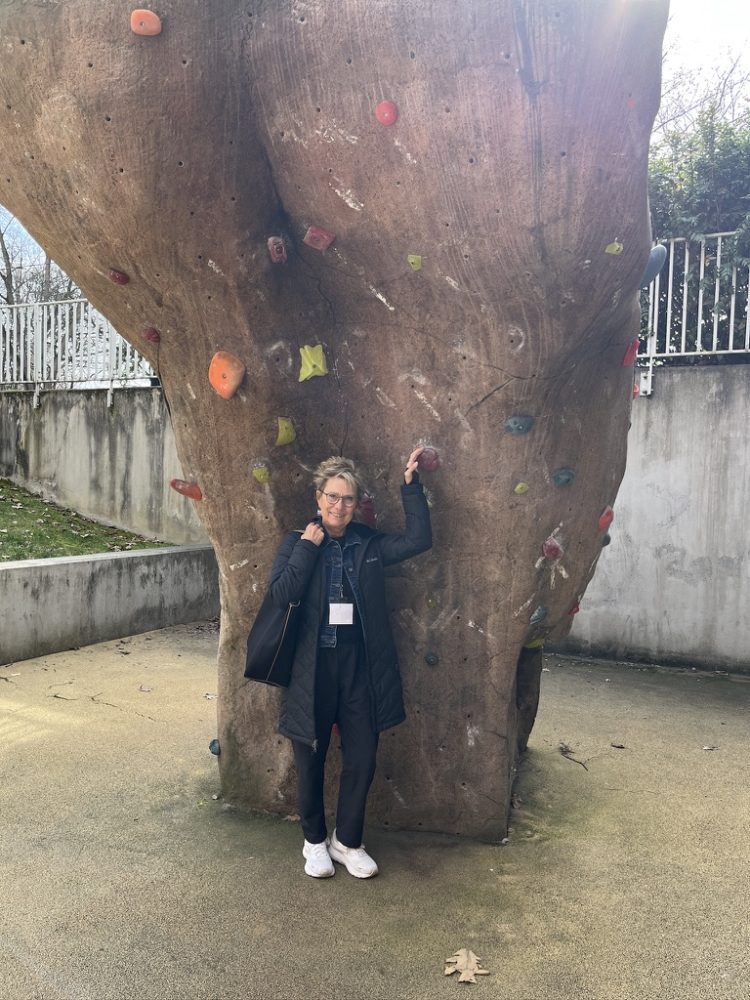
Division III teams include men’s and women’s basketball, cross country, golf, soccer, swimming, distance track, and tennis, men’s baseball, and women’s lacrosse. An outdoor program offers inexpensive rentals and trips for skiing, climbing, whitewater rafting, and more. The SSRA (Sports Studies, Recreation and Athletics) courses foster outdoor skills and leadership. You can go cross-country skiing for only $15. Whitman has a large indoor rock wall for students that’s open to the community for a fee.
Financial aid and affordability
Whitman meets 100% of demonstrated financial need for all admitted students, including international students, and does not consider home equity in its calculations. Merit aid reaches up to $45,000, and the college offers an early financial aid read so families know what Whitman will cost before committing to the application process. Whitman and the College of Wooster are among the few schools that offer this. The endowment at Whitman is $700 million.
Outcomes
Faculty investment in student success extends well beyond the classroom. One staff member who helps students find fellowships was impressed by how deeply professors commit to seeing students through fellowships, every step of the way. Ninety-seven percent of Whitman graduates report positive career or graduate school outcomes within six months of graduation, supported by a dedicated Career and Community Engagement team.
Who thrives at Whitman
Whitman students want close relationships with faculty, real-world experience before graduation, and a community that is genuinely diverse in background, identity, and perspective. Students who thrive at Whitman are curious, self-directed, tolerant, outdoorsy, and open to being transformed by their education.