

Great Books are the teachers at St. John’s College
By Karen Hott, February 2026
Fast facts for
St. John’s College, Annapolis
Located in:
Annapolis, Maryland
Number of students:
470 undergraduate
Acceptance rate:
55% of applicants
Type:
Private, no religious affiliation
Test Policy:
Test Optional
This blog post is about a specific college or university, so we've included some key details right up top. These facts were last updated February 6, 2026.
Reading the Great Books
I received my master’s degree from St. John’s many years ago, but I knew that the undergraduate program probably still followed the protocols I did in reading the Great Books. Though I felt confident that I understood St. John’s, I decided to take a tour as a counselor on a day when the snow and ice in Annapolis still hadn’t been cleared.
Inside the St. John’s Classroom
Students address their professors, or “tutors,” as “Mr.” or “Ms.” without acknowledging a Ph.D. with the honorific “Dr.” In turn, students and tutors address each other as “Mr.” or “Ms.” This reflects the belief that all participants are equal and their contributions are equally valid. Tutors don’t teach the class as the omniscient one; rather, they lead students to discover truth for themselves.
A Freshman Language Class
I wanted to see how 18-year-olds handled some of the same discussions that I had with my adult peers, so I sat in on Mr. Goldberg’s freshman language class at 9 a.m. This class was translating sentences in Greek, so it wasn’t the same as a lively discussion of justice in Plato’s Republic or Sophocles’ Antigone. Nonetheless, the class followed the format I knew.
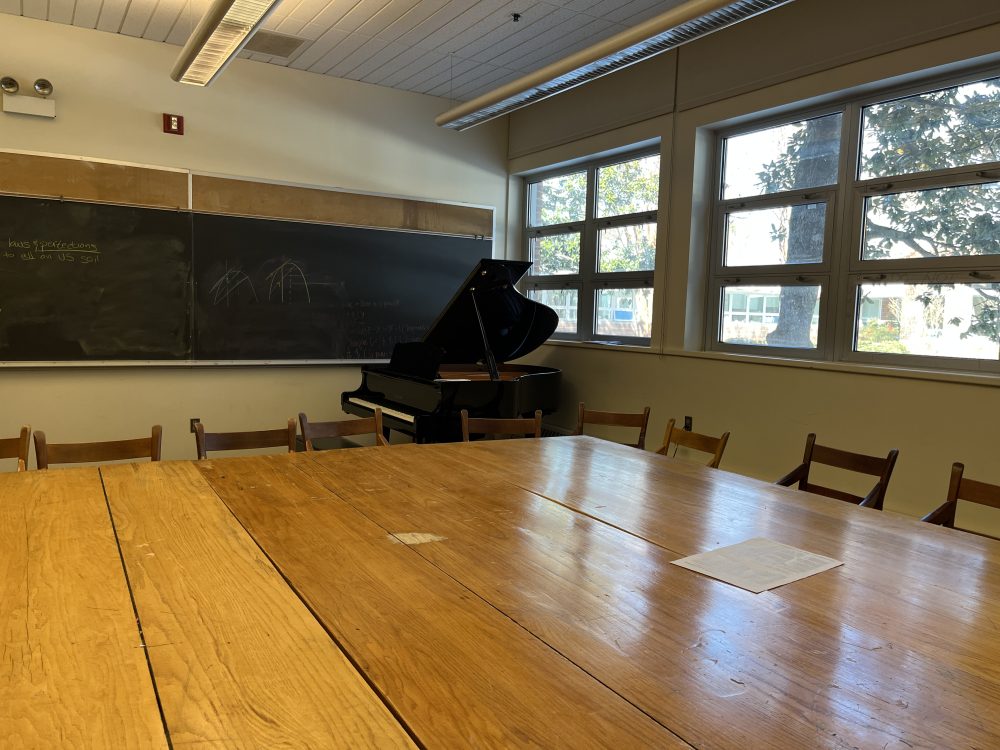
In the classroom, large tables form a giant wooden square with four or five heavy wooden chairs on each side. Chalk-caked blackboards line two sides of the room, while a wall of windows lets in sunlight. The tutor in the language class, Mr. Goldberg, asked questions but didn’t give answers. He searched for meaning along with the students. Eight young women and five young men parsed the sentences, identifying each word by its grammatical role: article, nominative, masculine, singular; verb, present active indicative, third person; noun, accusative, feminine, plural. Then they worked to translate the sentence.
Students took turns with their translations and questioned each other’s choices. “Who are the ones so foolish. . .” ventured a young man. A young woman asked, “Do you think ‘so’ has the meaning of intensifying or ‘in this way’?” At the very end of class, they decided to check the answer in the back of the book. (Note that in most St. John’s classes, you wouldn’t have any answers in the back of a book. All interpretation comes from discussion.)
The Curriculum
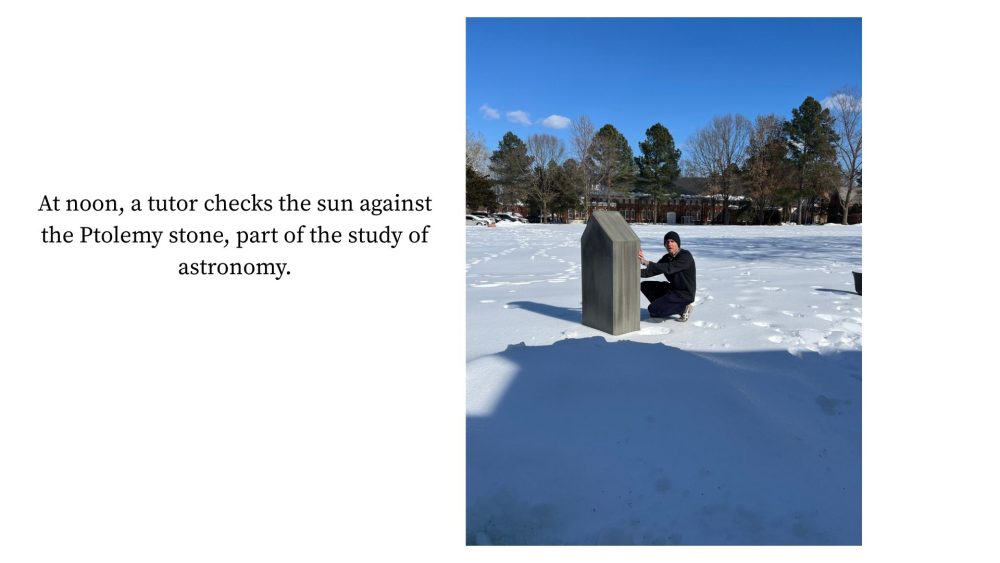
You don’t declare a major at St. John’s. Your major is liberal arts. Everyone reads the same books in the same order. Every freshman learns Greek and reads Homer. Every junior reads The Federalist andGulliver’s Travels. Everyone learns music theory and reads Moliére in French. According to sjc.edu, “While the list of books has evolved over the last century, the tradition of all students reading foundational texts of Western civilization remains.” Students don’t learn about Euclidean geometry; they wrestle with Euclid’s original text and discuss it in small seminar-based classes. (I loved diagramming proofs in Euclid’s Elements.) They aren’t taught what it means to be Machiavellian; they read Machiavelli’s The Prince. They don’t read about Supreme Court rulings; they read the actual text of the rulings. You can see the readings here: https://www.sjc.edu/academic-programs/undergraduate/great-books-reading-list
Primary sources form the basis of a St. John’s education. In fact, you can’t bring in outside sources, even from so-called experts. It’s you, your peers (that includes the tutor), and the text. Discussion forms the basis of every class, and every class has fewer than 20 students. You can’t sit in the back of a lecture hall and scroll on your phone. There are no lectures! And skipping class means subtracting a voice from the seminar.
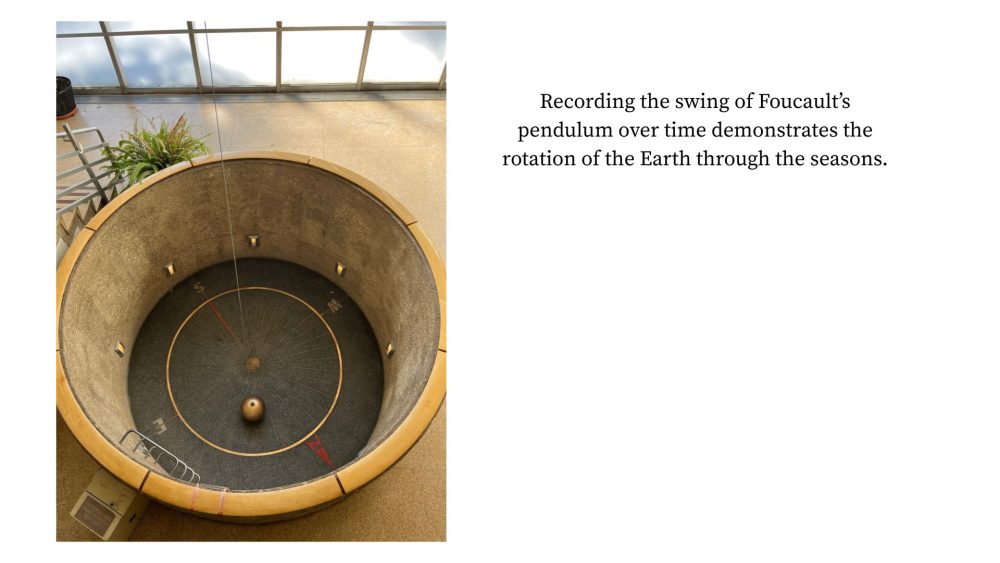
You will read 200 texts in your four years, covering math, science, music, literature, philosophy, politics, psychology, history, religion, language, and more. It’s broad and interdisciplinary.
For each class, you will write three to five essays per semester, building your rhetorical skills. Andi Burke, the admissions counselor I met with, said that translation classes like the one I witnessed facilitate good writing and good reasoning. Every class has a paid student study assistant with office hours, every lab has a paid student lab assistant, and music classes have a music assistant.
Your Four Years at St. John’s
To read all these primary texts, you will spend four years at St. John’s. They accept no transfer credits or AP exam scores. To earn your bachelor’s degree in liberal arts, you must embrace the whole curriculum.
St. John’s has another campus in Santa Fe, and you can transfer between campuses; about 30 percent of students spend a semester or more in New Mexico. Because the curriculum is nearly identical, you won’t interrupt the “story” of Western civilization told through the Great Books.
If this sounds like the kind of education you’re looking for, read Part 2 for how to apply: https://www.twobridgescollegeconsult.com/blog/2026/02/06/applying-to-st-johns-college-part-2-of-2/