

Time for your teen to own their own calendar
By Karen Hott, January 2026
One life skill that I like to teach my college-curious kids is calendaring. It’s common for Mom to maintain a master calendar for the family, and that makes sense when the family has so many moving parts. But as teens hit their junior and senior year of high school, they need to be responsible for scheduling and managing their own time.
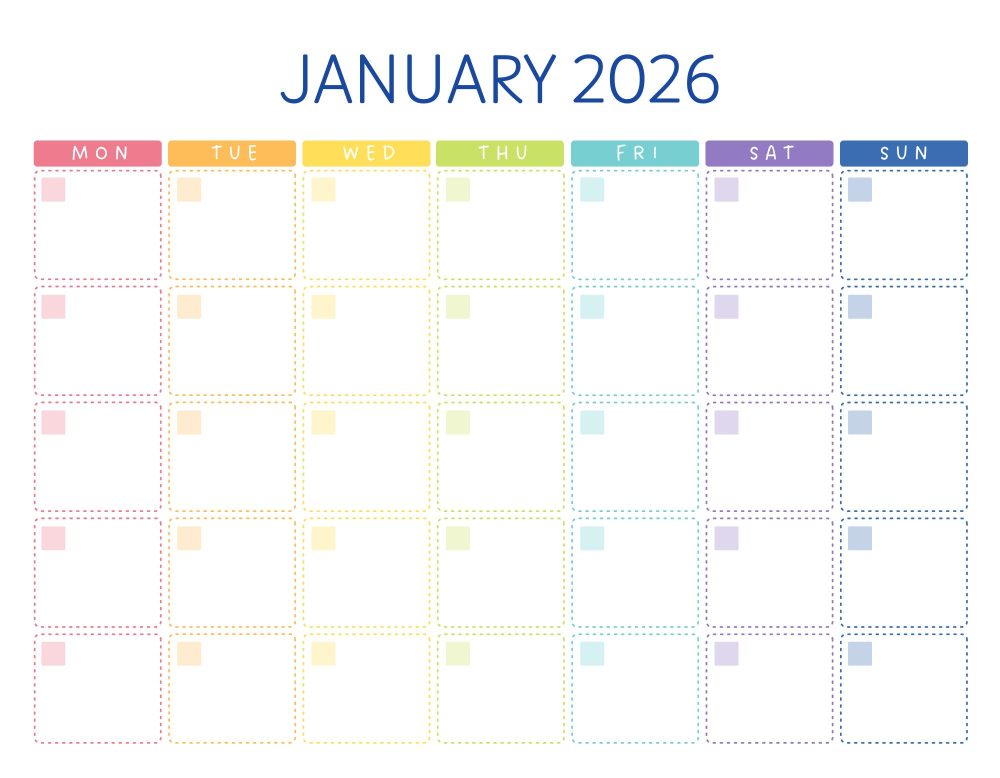
Calendaring teaches life skills:
- visualizing blocks of time within a day, week, month
- estimating time required for a task, for travel or transitions, for study time
- prioritizing more important events
- avoiding overplanning
- negotiating schedule conflicts
- communicating their own availability
- building confidence in managing their own lives
Maintaining their own calendar can reduce friction in the family dynamics. It frees Mom or Dad from being the one responsible for the teen being where they need to be, when. It helps the student become more and more independent. And it prepares them for college and college planning.
College days
High school days are hyper-regulated, with classes every day from around 8 to 3, bells signaling transitions, and teachers reminding students about upcoming tests. College is the opposite. Students might have class on Mondays, Wednesdays, and Fridays at 9 a.m., but nothing on Tuesdays and Thursdays until 2 p.m. No one tells them when to study, when assignments are due, or reminds them about club meetings. The syllabus is handed out on day one, and students are expected to manage everything themselves. The students who struggle most in college aren’t necessarily those who lack academic ability—they’re the ones who never learned to manage their own time.
Application season
The college application process itself demands strong calendar skills. Students juggle multiple deadlines: early action, early decision, regular decision, honors program applications, scholarship submissions. They need to request recommendations weeks in advance, schedule campus visits around school commitments, register for standardized tests months ahead, and track financial aid deadlines that don’t always match admissions deadlines.
How to start
The best approach is simple: one calendar that syncs across devices. I recommend phone calendars that connect to laptops since teens always have their phones. Start by blocking recurring commitments—school hours, sports practices, work shifts, family obligations. Then add school assignments and tests, extracurriculars, social plans, and college-related tasks. Color-coding helps: blue for school, green for activities, purple for college deadlines, orange for personal time. Make sure to schedule a buffer between events and slot in study time. (Some of my students like to also keep a paper desk or wall calendar in their room.)
The transition
Parents can ease this transition by parallel calendaring at first. For the first month, both parent and teen maintain calendars and compare weekly. The second month, the teen manages independently while the parent spot-checks. By month three, the teen owns it completely. Parents can still have view access for family coordination, but the teen becomes the primary manager of their own time.
Growing up
I love working with young people transitioning to adulthood. Maintaining and regularly consulting a personal calendar is a hallmark of becoming an adult. It’s a skill that will serve your teen well through college applications, college, and life.